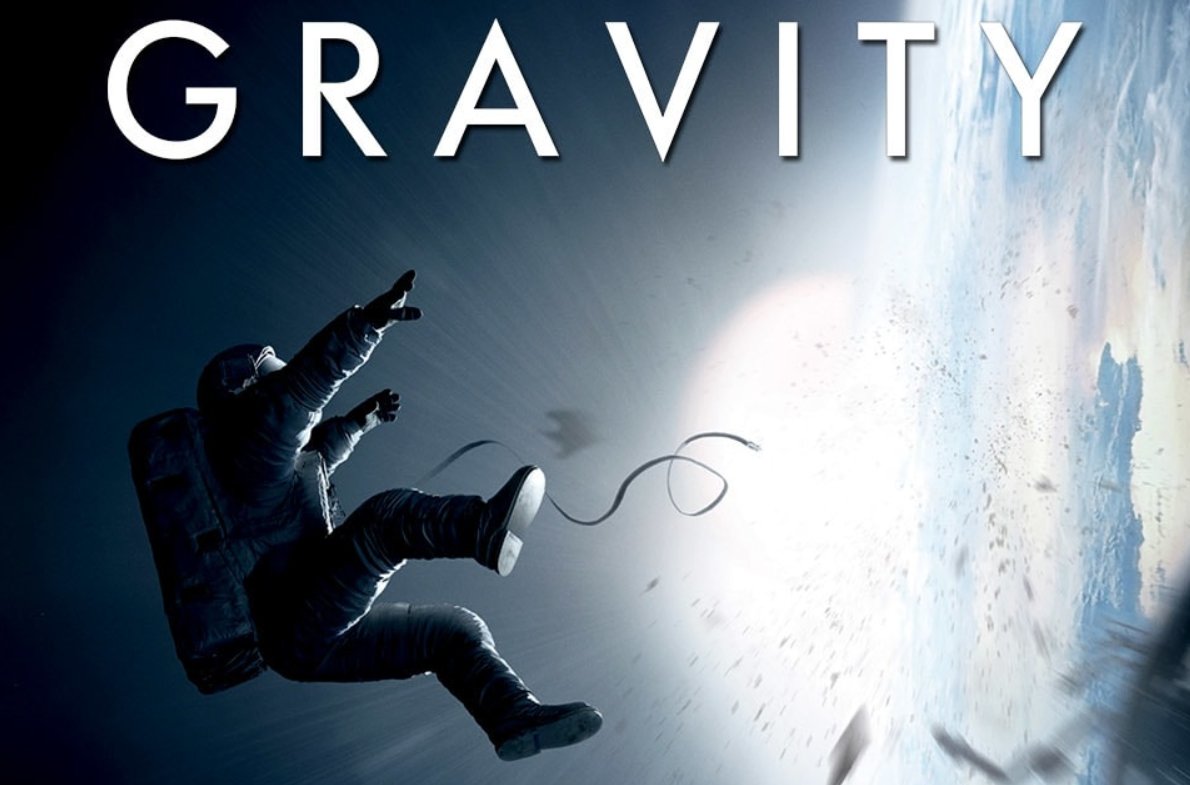
Sandra Bullock’s preparation for “Gravity” included advice from someone who was actually in orbit. In spring 2011, astronaut Cady Coleman spoke with her from the International Space Station about moving and living in space, Coleman recalled in a 2013 collectSPACE interview republished by Space.com.
The introduction came through their siblings, rather than the film’s studio or NASA. After exchanging emails, Coleman and Bullock arranged a phone conversation. Coleman explained that the station’s internet phone allowed her to call out, while ordinary callers could not simply ring her there.
Bullock asked about practical details: where to put her hands and feet, natural working positions, and how crew members encountered one another aboard the station. They managed one call, Coleman said, then she sent audio clips by email with further thoughts from herself and her crewmates.
Why the casting changed
The film’s production also demanded a particular kind of precision from its actors. At an October 2013 press conference transcribed by ScreenAnarchy, director Alfonso Cuarón said Robert Downey Jr. had been attached for a couple of months. Once the team had defined its technology, Cuarón concluded that the setup did not suit Downey’s strength in improvisation. The filmmakers then pursued George Clooney.
Cuarón described Bullock’s work as tightly rehearsed choreography: positions and timings were programmed through computers controlling camera robots, and she had to adapt to those predetermined movements. Her preparation, he said, included five months of exercise before filming.
Those accounts describe the making of the 2013 film, rather than a new casting development. They also do not make “Gravity” a documentary. At the same press conference, Cuarón acknowledged that the filmmakers exaggerated aspects of spaceflight within their fiction, even as advisers helped them understand how objects behave in microgravity.