• Home
  • Technology
  • Gaming
  • Entertainment
  • World & Business
  • Science
  • Sports
  • AI
HomeTechnologyGamingEntertainmentWorld & BusinessScienceSportsAI
Science

NASA selects SpaceX to launch StarBurst gamma-ray satellite

NASA says StarBurst will scan the sky for short gamma-ray bursts from merging neutron stars, aiming to capture the earliest high-energy signals.

NASA's Kennedy Space CenterNK
DogeDesignerDO
MTSMT
3 Sources, 22d ago, first seen 22d ago

TLDR

NASA announced on September 17, 2026, that it selected SpaceX to launch StarBurst on a Falcon 9. The launch is targeted for no earlier than 2028 from Space Launch Complex 40 at Cape Canaveral Space Force Station. NASA says the small satellite will look for short gamma-ray bursts from merging neutron stars.

Combined views

948.4K

3 Sources, first seen 22d ago

3.6K likes167 comments166 saves592 reposts
Combined views

948.4K

3 Sources, first seen 22d ago

3.6K likes167 comments166 saves592 reposts
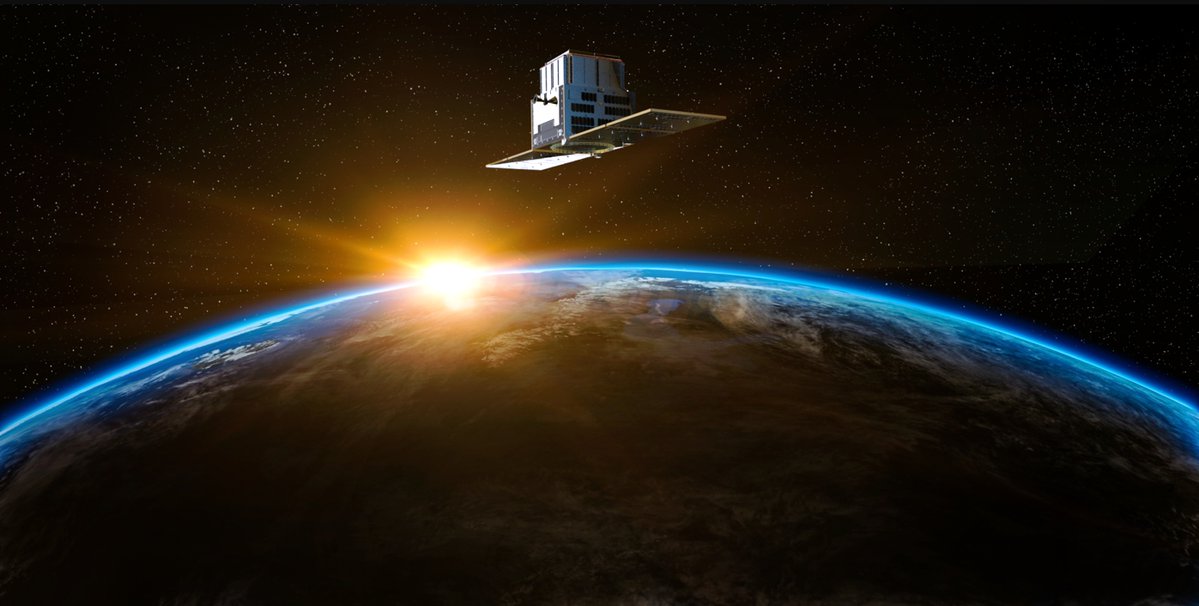
Artist's rendering of the StarBurst spacecraft in orbit around the Earth.

Sentiment

Positive——Negative

Summary

Not enough discussion yet.

No sentiment analysis available yet.

Featured Source

Sentiment

Positive——Negative

Summary

Not enough discussion yet.

No sentiment analysis available yet.

Related

NASA selects SpaceX to launch StarBurst gamma-ray mission

A post sharing the selection says StarBurst will fly on a Falcon 9 Bandwagon launch from Cape Canaveral no earlier than 2028.

Crew-13 docks with ISS after record-fast U.S. launch-to-docking trip

NASA said Crew-13’s Dragon reached the International Space Station at 7:05 p.m. EDT on Oct. 1, 2026, after a 7-hour, 55-minute launch-to-docking interval that the agency said was the fastest for a U.S. spacecraft in ISS history.

The SpaceX Dragon, with its nose cone open and carrying four Crew-13 members, approaches the International Space Station for a docking.
Crew-13 lifts off for the International Space Station on October 1

NASA says four crew members lifted off at 11:10 a.m. EDT aboard SpaceX’s Dragon Grace spacecraft.

3 Sources

NASA's Kennedy Space Center@NASAKennedyNASA has selected @SpaceX to launch StarBurst. 🚀 The small satellite will scan the sky for short gamma-ray bursts from merging neutron stars, capturing the earliest high-energy signals. StarBurst is targeted to launch on a Falcon 9 from SLC-40 at CCSFS no earlier than 2028.22d
DogeDesigner@cb_dogeBREAKING: NASA has selected SpaceX to launch the StarBurst gamma-ray detector. StarBurst will fly on a Falcon 9 Bandwagon mission from Cape Canaveral no earlier than 2028 to study neutron star mergers and short gamma-ray bursts. Another science mission entrusted to SpaceX.22d
MTS@MTSliveNASA Administrator @rookisaacman on why NASA can't afford to overlap with industry and has to keep doing the near-impossible: "It is not hard for us to attract talent. The NASA logo, the meatball as we call it, is pretty widely recognized around the world. The hard part is gonna be retaining it." "Right now, a substantial portion of what we do at NASA does in fact overlap with industry, and that's a dangerous place to be." "You can graduate from school, you can be really excited, I'm going to NASA, I'm gonna work on chemical propulsion rockets. And then you're there for four or five years and you're like, but there's companies that are doing this, and they're landing their rockets on ships, and I get stock options, so why do I wanna stay at NASA?" "You can't have overlap with industry. NASA always has to recalibrate back to doing the near impossible. That's why we're building nuclear-powered spaceships, something no company, no other agency, no other nation is capable of doing but NASA." "That's how you recruit your talent, but then you retain them because they're working on things they can't do anywhere else." @NASA @NASAAdmin22d
    • Home
    • Technology
    • Gaming
    • Entertainment
    • World & Business
    • Science
    • Sports
    • AI
    NASASpaceXStarBurst
    Falcon 9

    3 Sources

    NASA's Kennedy Space Center@NASAKennedyNASA has selected @SpaceX to launch StarBurst. 🚀 The small satellite will scan the sky for short gamma-ray bursts from merging neutron stars, capturing the earliest high-energy signals. StarBurst is targeted to launch on a Falcon 9 from SLC-40 at CCSFS no earlier than 2028.22d
    DogeDesigner@cb_dogeBREAKING: NASA has selected SpaceX to launch the StarBurst gamma-ray detector. StarBurst will fly on a Falcon 9 Bandwagon mission from Cape Canaveral no earlier than 2028 to study neutron star mergers and short gamma-ray bursts. Another science mission entrusted to SpaceX.22d
    MTS@MTSliveNASA Administrator @rookisaacman on why NASA can't afford to overlap with industry and has to keep doing the near-impossible: "It is not hard for us to attract talent. The NASA logo, the meatball as we call it, is pretty widely recognized around the world. The hard part is gonna be retaining it." "Right now, a substantial portion of what we do at NASA does in fact overlap with industry, and that's a dangerous place to be." "You can graduate from school, you can be really excited, I'm going to NASA, I'm gonna work on chemical propulsion rockets. And then you're there for four or five years and you're like, but there's companies that are doing this, and they're landing their rockets on ships, and I get stock options, so why do I wanna stay at NASA?" "You can't have overlap with industry. NASA always has to recalibrate back to doing the near impossible. That's why we're building nuclear-powered spaceships, something no company, no other agency, no other nation is capable of doing but NASA." "That's how you recruit your talent, but then you retain them because they're working on things they can't do anywhere else." @NASA @NASAAdmin22d
    Today's Rank

    —

    Not ranked yet

    Today's Rank

    —

    Not ranked yet