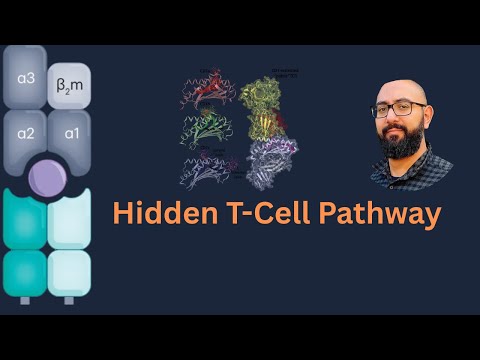
A Science feature published Sept. 24 spotlights an immune pathway that tracks lipids rather than the protein fragments that dominate most textbook accounts of T cell immunity.
In the better-known system, major histocompatibility complex proteins display peptide fragments for T cells to inspect. CD1 proteins perform a parallel job with fatty molecules. Antigen-presenting cells load microbial or altered human lipids into CD1, and matching T cells respond. That gives the body another way to detect bacteria, cancer-related changes and tissue damage. It can also provoke harmful inflammation.
The same pathway can protect and inflame
Skin research shows both sides of the system. In a 2015 study of bee and wasp venom, researchers found that phospholipase enzymes in venom cut up natural skin lipids. CD1a then presents the newly generated lipid antigens to T cells, helping produce the inflammatory response to a sting.
Poison ivy may exploit the pathway more directly. Urushiol, the plant's oily irritant, triggered stronger dermatitis in mice engineered to make human CD1a in a study of inflammatory skin disease. Blocking CD1a reduced inflammation in those mice. Memory T cells from six people with recent poison ivy dermatitis also produced inflammatory signals when exposed to urushiol through CD1a in lab dishes.
Those results establish a plausible mechanism, not a finished treatment. The human experiment was small and performed outside the body, while much of the intervention work relied on mice. Science notes that the complete mechanism behind poison ivy rash has not yet been confirmed in people.
Why researchers see therapeutic potential
CD1 has one practical attraction as a drug or vaccine target: humans carry only a few versions of the four main lipid-presenting CD1 proteins, while peptide-presenting MHC proteins come in thousands of variants. In principle, a therapy aimed at CD1 could work across more patients without extensive tailoring.
Researchers are testing both directions. Some teams want to block CD1 to calm inflammatory disease. Others are trying to stimulate lipid-sensitive T cells against infections or tumors, or add lipid signals to vaccines. Science reports that an early tuberculosis vaccine experiment is dosing monkeys with a bacterial lipid, while lipid-targeting cell therapies are being studied in cancer patients.
The record is mixed. Dozens of cancer trials using the CD1-binding lipid alpha-galactosylceramide found the approach generally safe but not very effective, according to Science. A separate phase 1 study of lipid-targeting donor T cells in 34 people with solid tumors reported no unexpected side effects and stable disease in nine patients, but that small, early result cannot establish efficacy. Animal studies also suggest that overstimulating this pathway can worsen inflammation.
CD1 therefore offers a broader set of immune levers, not a shortcut to a vaccine or cancer therapy. Its promise depends on learning which lipids activate which T cells, and when that response will help rather than harm.